
On October 20-23, over 400 rural delegates from over 40 European countries gathered in Inverurie in the north-east of Scotland for the 6th European Rural Parliament (ERP), a participative democratic assembly that shines a spotlight on the power of rural communities to respond to global crises (see here for a fuller version of this blogpost).
It isn’t that communities lack capacity for change; they lack the support to deliver. This is the message behind the Inverurie Declaration, a call for systemic change from the delegates that asks not for help but for partnership from European, national and regional authorities. Theona L Morrison, Chair of Scottish Rural Action and Director of CoDeL, shares her reflections on the 6th ERP.
In Scotland, 98% of the land is defined as rural with over 90 inhabited islands all of which is home to just 17% of the population.
Many of us attend gatherings to discuss policy, service delivery and other aspects of life and find it is often filtered through an urban lens, because that’s where the population density – dare I say voters – are living.
Rural is often profiled as being remote from ‘the centre’, at worst backward in time, needing to catch up with urban centres, whilst at best wild places of beauty to escape to, to switch off and ‘visit’. When for those of us who live and work in rural and island places, we hold the keys to the future, the front line to address climate change, food, energy and water production/ security, in short those things that sustain life.
The natural assets which sustain human life may be sourced even extracted from rural areas, but they need people and communities living in rural and island places to power the production of these assets.
People from communities came to the ERP. They came in their wonderful diversity of knowledge and experience; they came with their fears, and pragmatism to discuss their challenges, share and craft the solutions. The synergy was palpable.
We were delighted to welcome in our company sole representatives from Ukraine and Georgia along with delegations from countries whose border security is in sharper focus than for others.
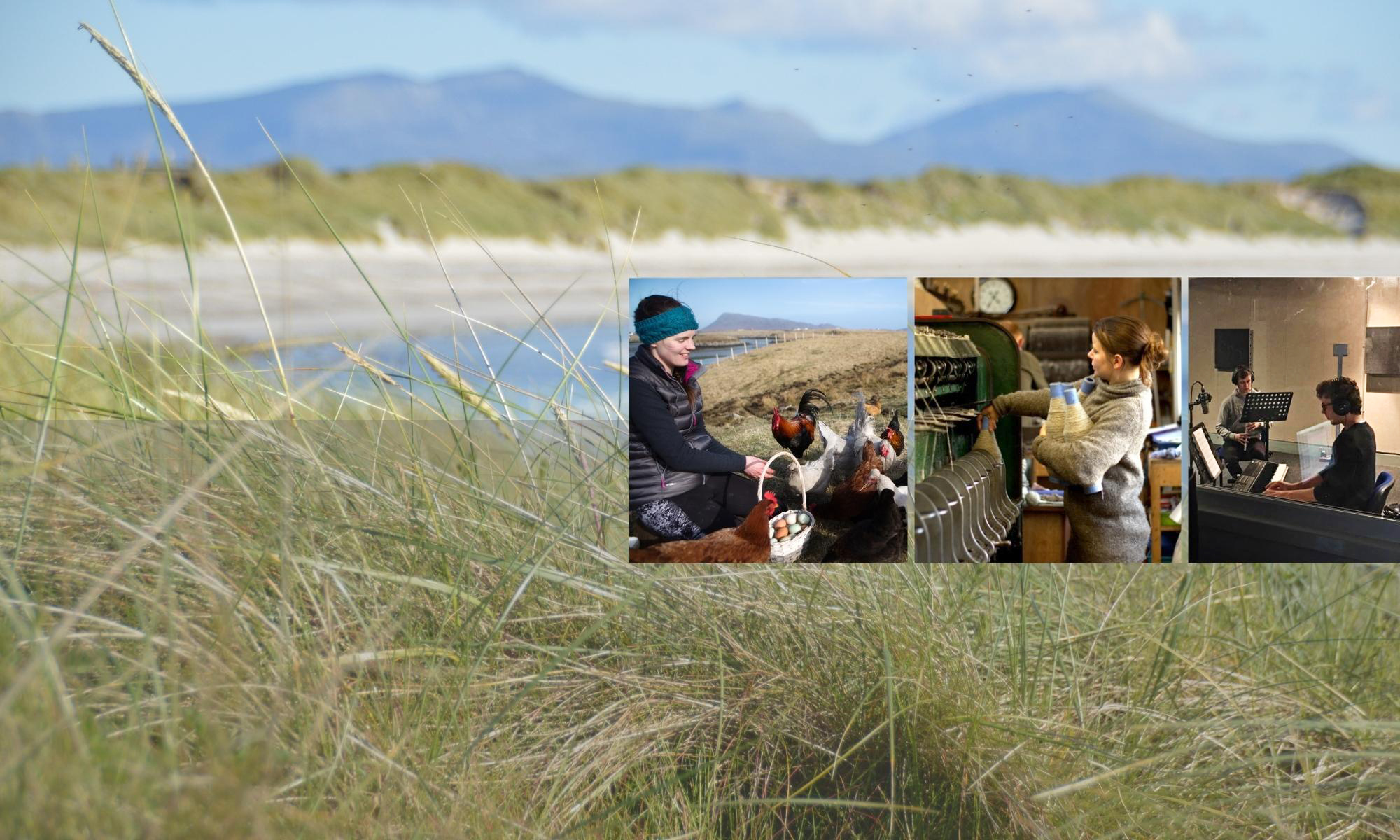
We saw the amazing work that communities are delivering on the ground. From social enterprises which address local needs – community transport, community energy, demographic changes – to local food initiatives which protect the integrity of the food and serve local communities, to women as changemakers.
Cultural expression was embedded in the ERP. The event couldn’t even start without a piper (bagpipes) leading the way! We were in the heart of Doric Scotland, with its distinctive Scots language rich with songs, music and stories. Feelings of love, hurt, injustice have long been carried by the working people – especially when they were singing about things that could not be written down!
Ellie Beaton, the Young Scottish Traditional Music Award winner for 2025, who comes from Aberdeenshire, entertained and informed as she taught us some local Doric songs and encouraged us to join in. There were songwriting workshops which culminated in a brand-new song created for ERP which we all heard and sang along.
We are young, we are old.
We are one and must be bold.
Learning from the past, building for the future,
we pass it on.
We are one, hear our song.
We danced to the music of a traditional ceilidh band The Haggis Chasers who ‘called’ the steps so that our European friends could fully participate in the most social and energetic dancing!
The key asks which emerged from all delegates at the ERP are embedded in the Inverurie Declaration. It is bold and we should all hold it up high for those who would otherwise redefine our rurality.
Rural communities know what is required; they need the support to be able to deliver what is needed to thrive, not just survive.